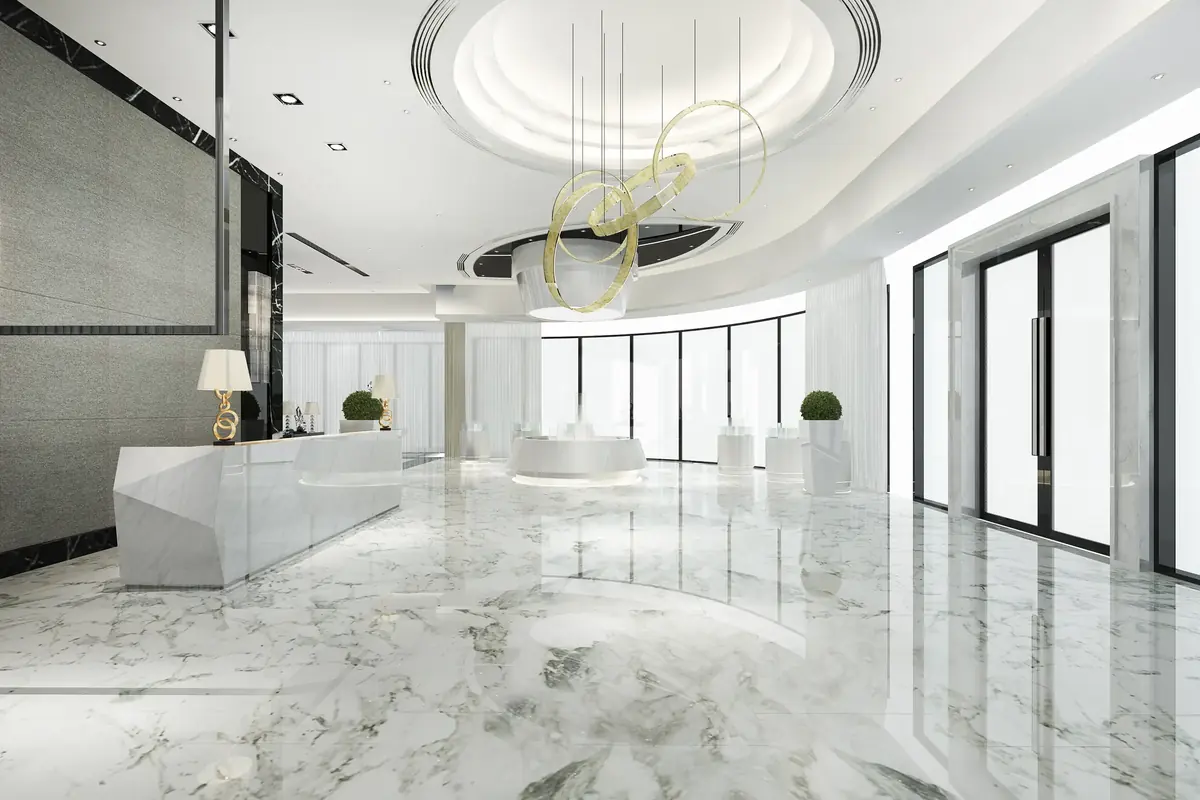
Concrete floor coatings · Phoenix, Arizona
Floors with the finish of architecture, built on properly prepared concrete.
Epoxy, polyaspartic, metallic and decorative flake systems for Valley homes, showrooms and working facilities — each one specified for the space, the sun and the way it’s used.
01 The approach
Comprehensive floor coating solutions — not one product for every floor.
A garage that faces the afternoon sun, a showroom that needs to reflect light, a warehouse aisle that carries forklifts all day: each asks something different of a floor. We start with the space and the slab, then specify the preparation, coating chemistry, texture and topcoat to suit.
That means you get a straight answer about which system fits, what it will look like and what to expect from it — including the tradeoffs.
- 9
- Specialist services
- 5
- Coating families
- 16
- Valley communities
- 5-step
- Installation process
02 Services
Coatings by application
From a single garage to a distribution centre, every service starts with mechanical preparation and a system chosen for the conditions.
 01
Decorative finishes
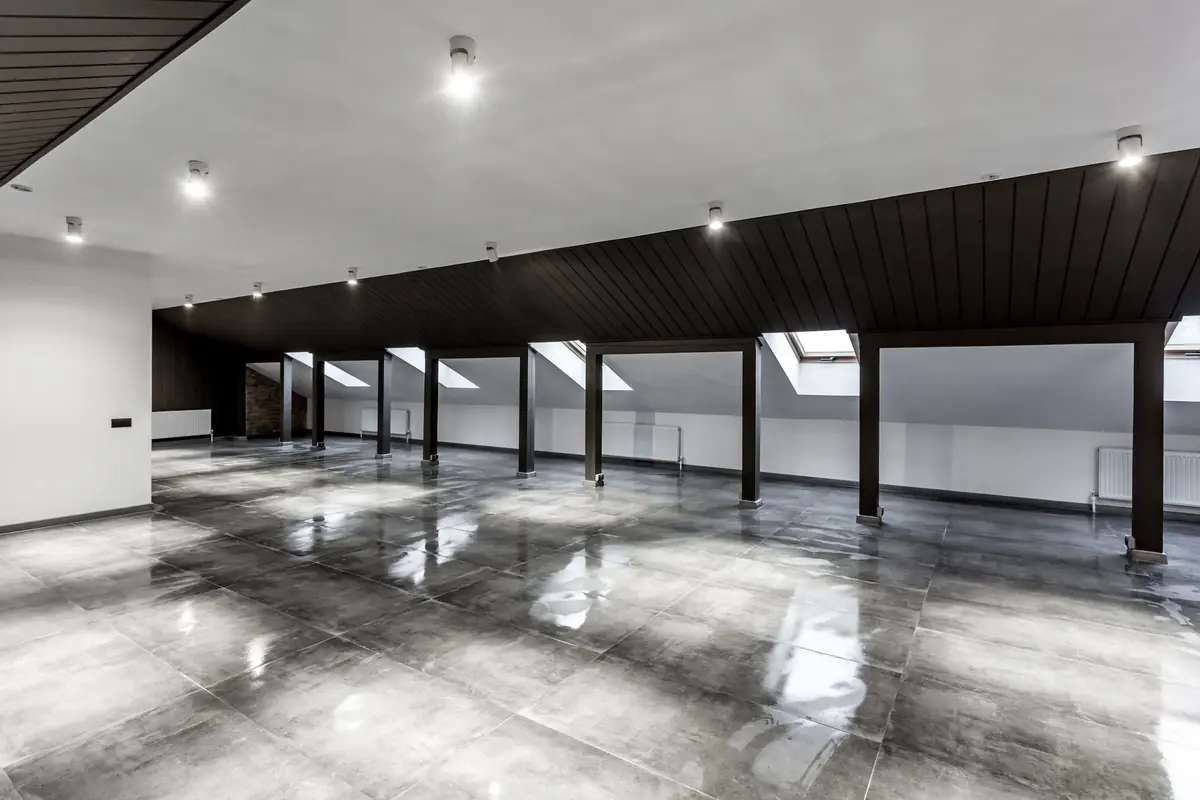
Metallic Epoxy Floors
Marble-look, pearlescent and river-pattern floors, each one hand-worked on site.
Explore
 02
Residential
Garage Floor Coatings
Flake, metallic and solid-color systems specified for sun, heat and everyday use.
Explore
 03
Commercial & industrial
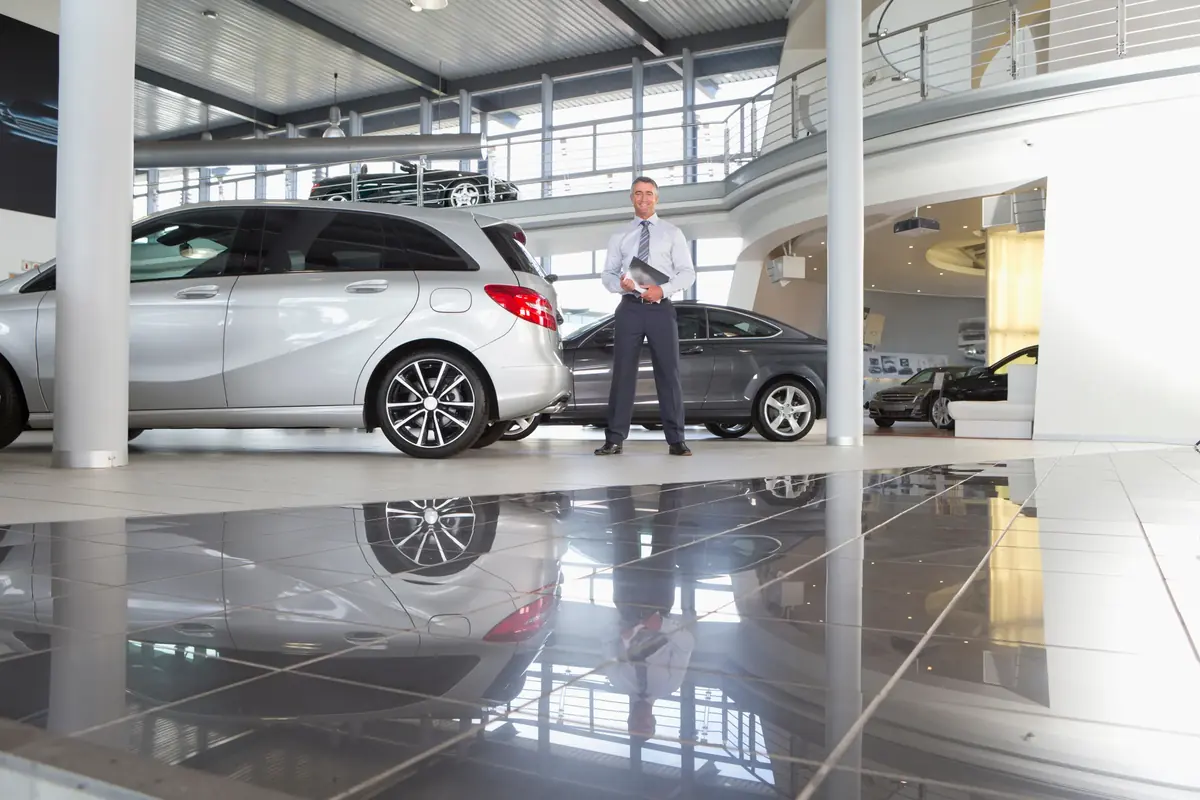
Commercial Floor Coatings
Showrooms, retail, salons, offices and back-of-house floors planned around operations.
Explore
 04
Decorative finishes
Decorative Flake Floors
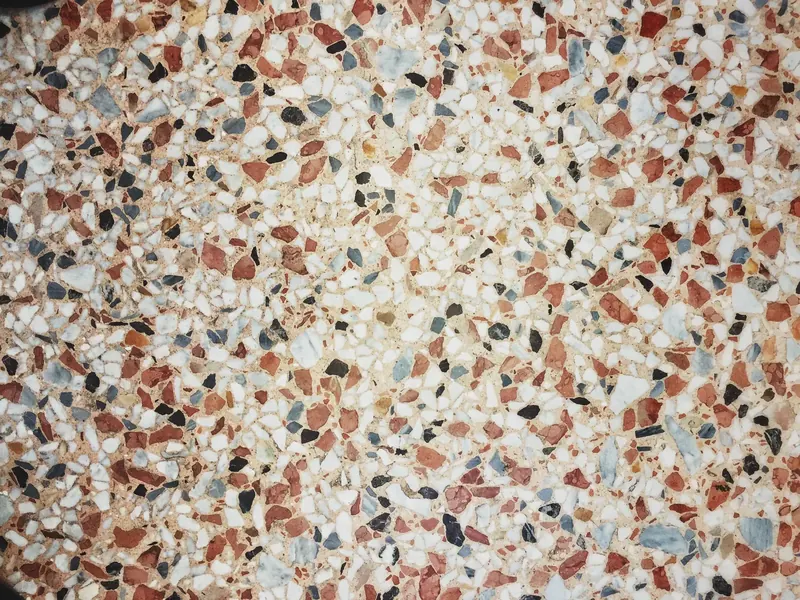
Textured chip blends from sandstone and terracotta to graphite and terrazzo-look.
Explore
 05
Commercial & industrial
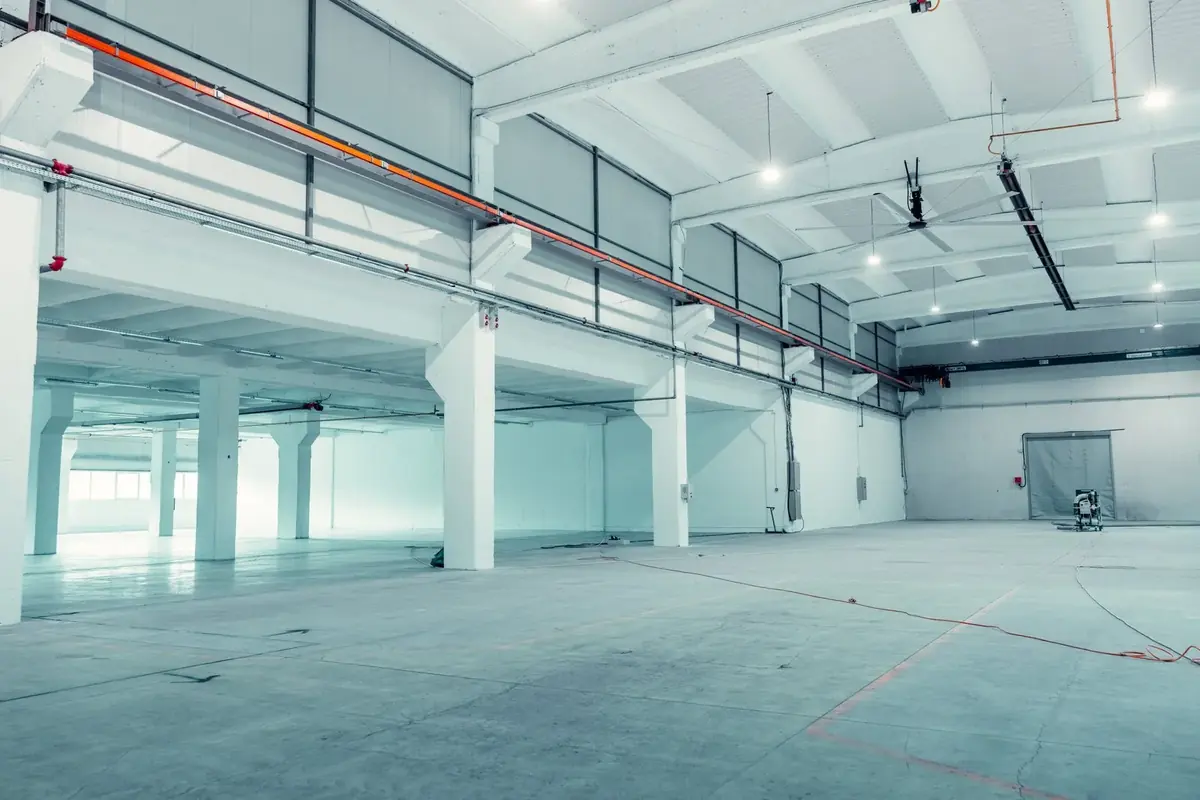
Industrial Concrete Coatings
High-build systems, striping and phased work for warehouses, fleet and facilities.
Explore
 06
Coating systems
Polyaspartic Floor Coatings
UV-stable, fast-curing topcoats and full systems for sun-exposed floors.
Explore
 07
Coating systems
Epoxy Floor Coatings
Solid-color, flake and metallic epoxy systems for interiors, garages and working floors.
Explore
 08
Residential
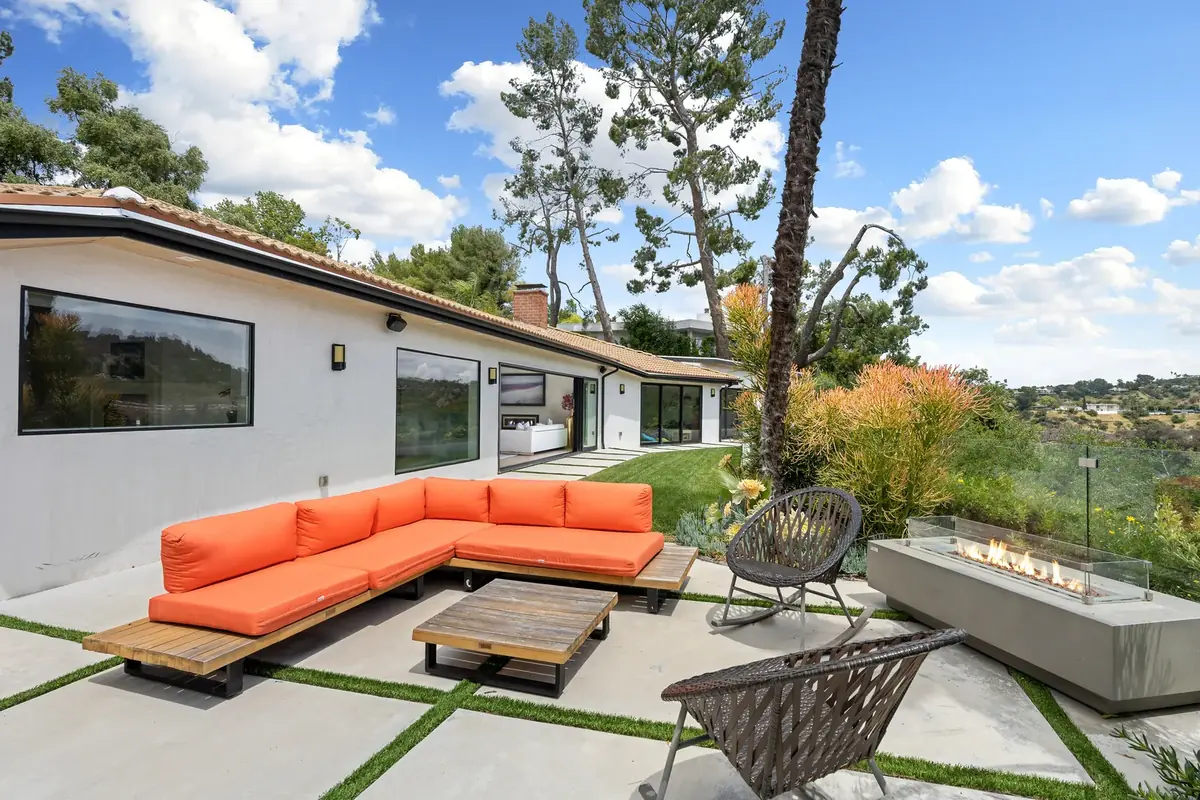
Patio & Outdoor Concrete Coatings
UV-stable, textured systems for covered patios, entries and outdoor living.
Explore
 09
Foundation work
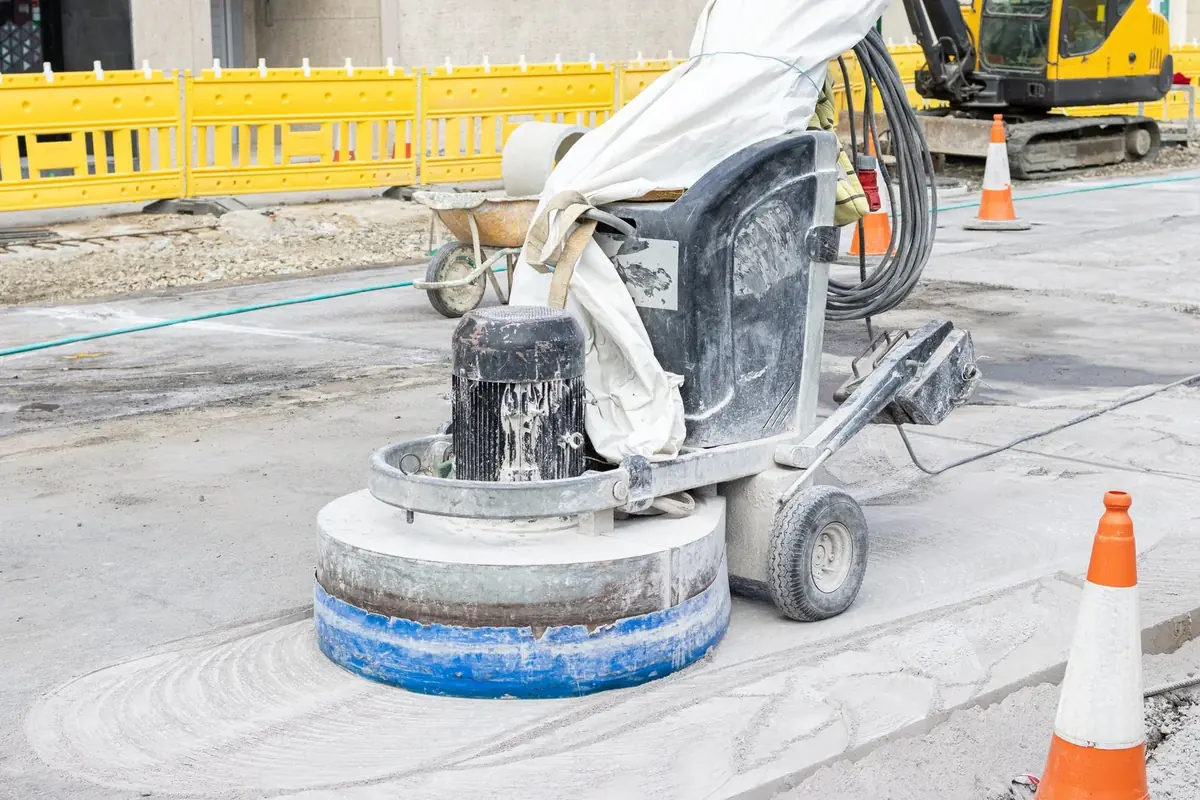
Concrete Surface Preparation
Diamond grinding, coating removal, crack and joint repair, and slab evaluation.
Explore
03 Coating systems
Know the difference before you choose.
Each chemistry has strengths and limits. Here is how we think about them — the full guide goes deeper.
 Build & bond
Epoxy
A two-part thermoset resin that bonds into mechanically profiled concrete and builds film thickness economically.
Often suited to
- Interior floors and garages
- Primers and body coats
- Commercial back-of-house
- Higher-build industrial systems
Keep in mind: Standard epoxies can amber in direct sunlight, so sun-exposed floors usually get a UV-stable topcoat.
Read more about epoxyUV-stable & fastPolyaspartic
An aliphatic polyurea designed to resist UV yellowing and cure faster than epoxy, used as a topcoat or full system.
Often suited to
- Sun-exposed garages
- Covered patios
- Spaces that need a quicker return to use
- Topcoats over epoxy or flake
Keep in mind: A short working window means careful batching and timing, especially in Phoenix heat.
Read more about polyaspartic Texture & forgiveness
Decorative flake
Vinyl flakes broadcast into a base coat and sealed under a clear topcoat for a speckled, granite-like finish.
Often suited to
- Residential garages
- Laundry rooms and mudrooms
- Workshops
- Covered patios with a UV-stable top
Keep in mind: Flake size, density and topcoat thickness change both the look and the texture underfoot.
Read more about decorative flake Depth & movement
Metallic epoxy
Reflective pigments worked by hand through clear or tinted epoxy to create marble-like veining and depth.
Often suited to
- Contemporary homes
- Showrooms and retail
- Lobbies and reception
- Show garages
Keep in mind: Handcrafted, so every floor varies. High gloss shows dust and fine scratches more than textured finishes.
Read more about metallic epoxy Working floors
High-build & sealers
Thicker epoxy builds, urethane or polyaspartic wear layers, and sealed or densified concrete for operational spaces.
Often suited to
- Warehouses and distribution
- Manufacturing and assembly
- Fleet and service bays
- Large-format storage
Keep in mind: The right specification depends on loads, wheels, chemicals and cleaning — we ask before we recommend.
Read more about high-build & sealersSurface preparation
The part of the job you never see is the part that matters most.
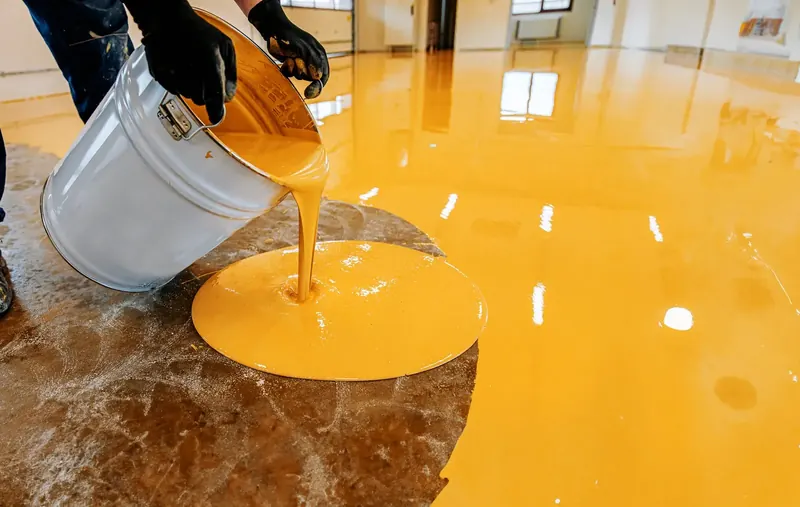
Every floor we coat is mechanically prepared with dust-controlled diamond grinding, repaired and cleaned before the first coat goes down.
How we prepare concrete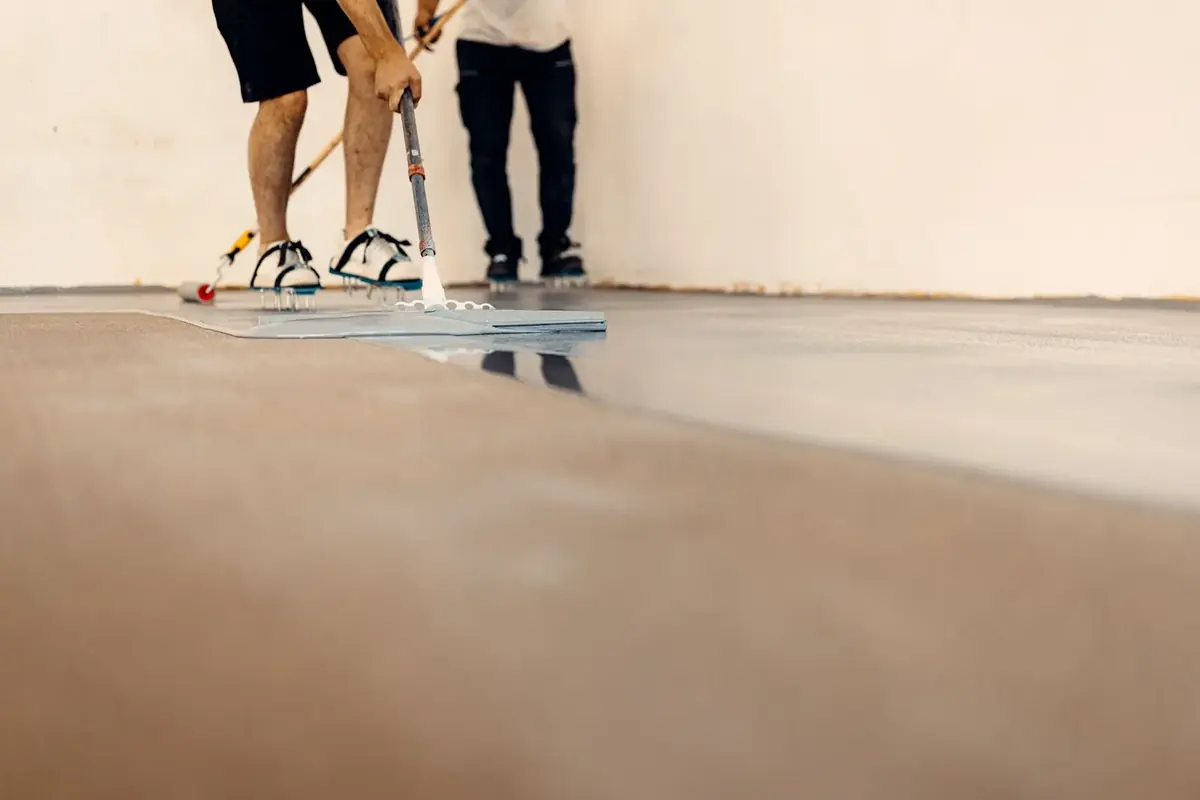
04 Process
Five steps, explained before we start.
- 01
Consultation & site visit
We walk the space, discuss how you use it, look at samples and take measurements.
- 02
Slab assessment
We look for moisture, cracks, contamination and previous coatings that change the system choice.
- 03
Written recommendation
You receive a clear scope: preparation, repairs, coating build-up, finish and timeline.
- 04
Preparation & installation
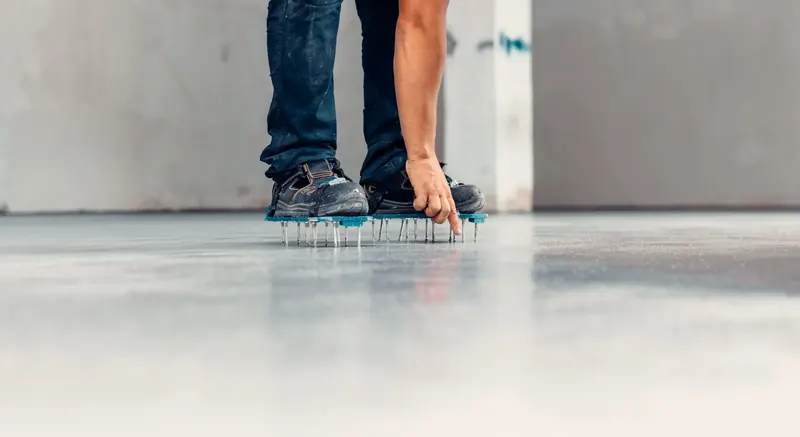
Dust-controlled diamond grinding, repairs, then each coat installed within its working window.
- 05
Walkthrough & care
We review the finished floor with you and leave cure timelines and care guidance.
05 Residential & commercial
One standard of work, two very different floors.
 For homesGarages, casitas, living spaces and patiosFinishes chosen to suit your architecture, with UV-stable options for sun-exposed floors.Residential coatings
 For businessesShowrooms, retail, offices and facilitiesPhased schedules, dust-controlled prep and systems specified for traffic and cleaning.Commercial coatings
06 Built for the Valley
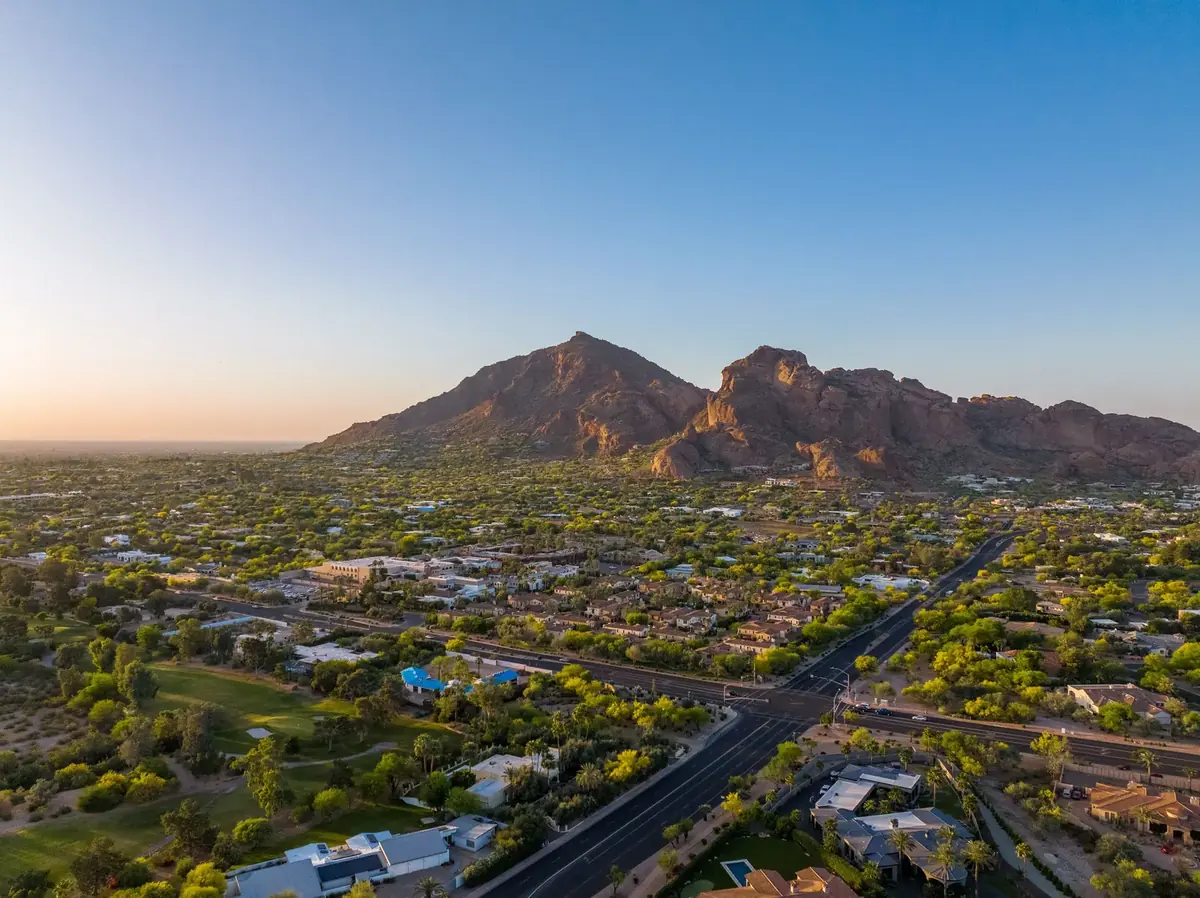
Phoenix conditions shape every specification.
Desert sun, extreme slab temperatures, monsoon dust and the occasional moisture problem under a slab all influence which system we recommend and how we install it.
Sun exposure
Where sunlight reaches the floor, we generally specify a UV-stable aliphatic topcoat to help limit ambering.
Slab temperature
Hot concrete shortens working time. In summer we schedule early and monitor slab temperature as we work.
Monsoon dust
Textured finishes and satin sheens are more forgiving of the fine dust that comes with storm season.
Slab moisture
Even in a dry climate, vapor can move through concrete. We evaluate it where it is a risk and adjust the system.
07 Finishes
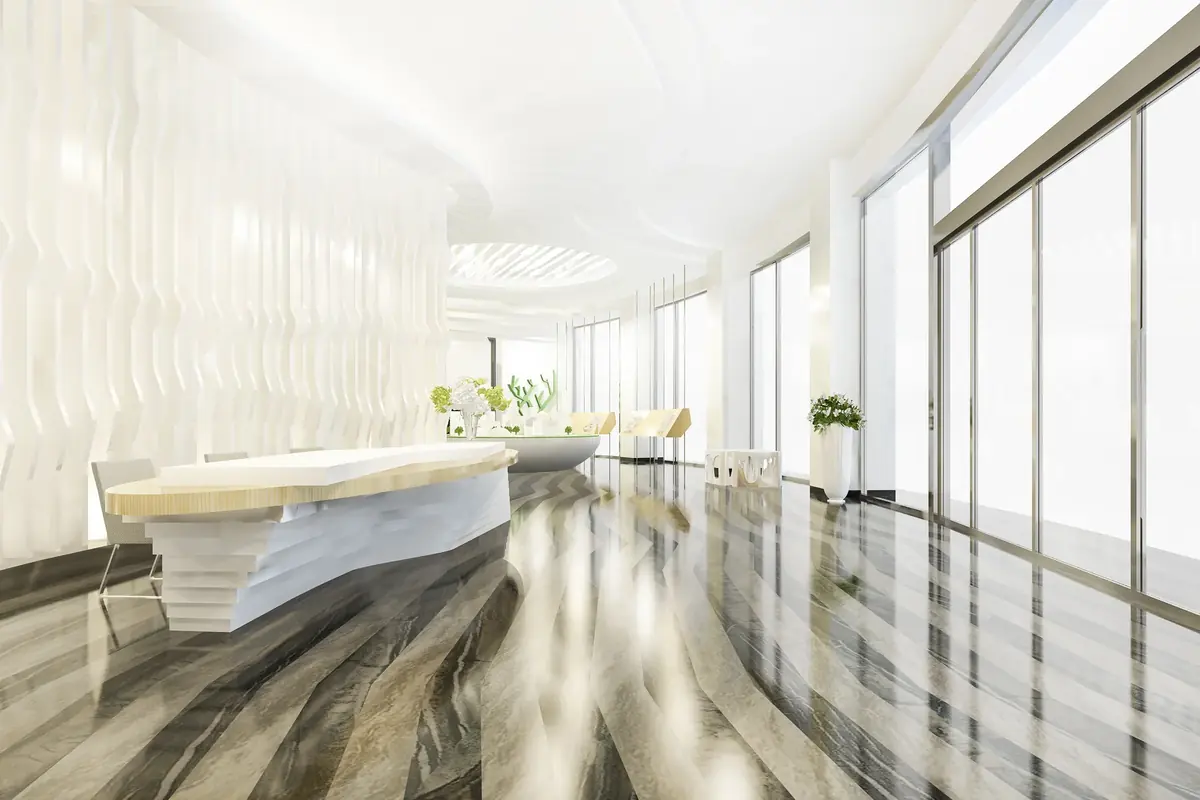
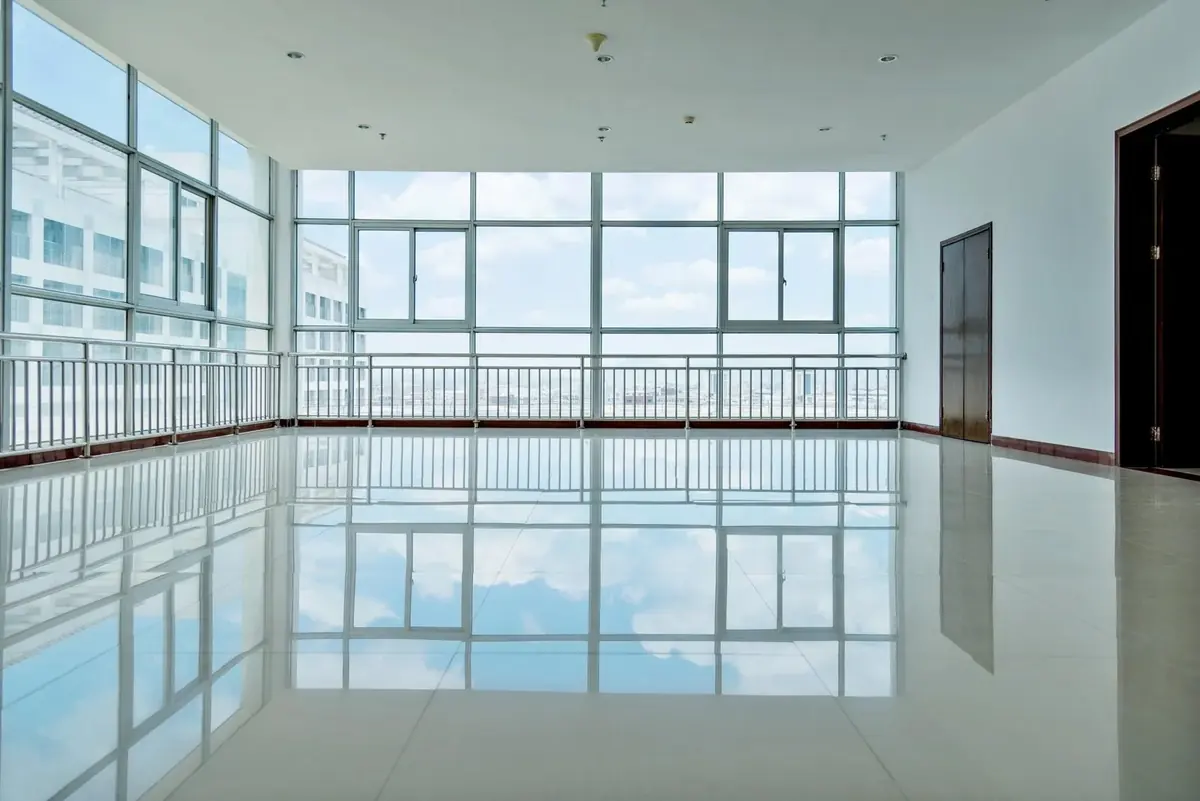
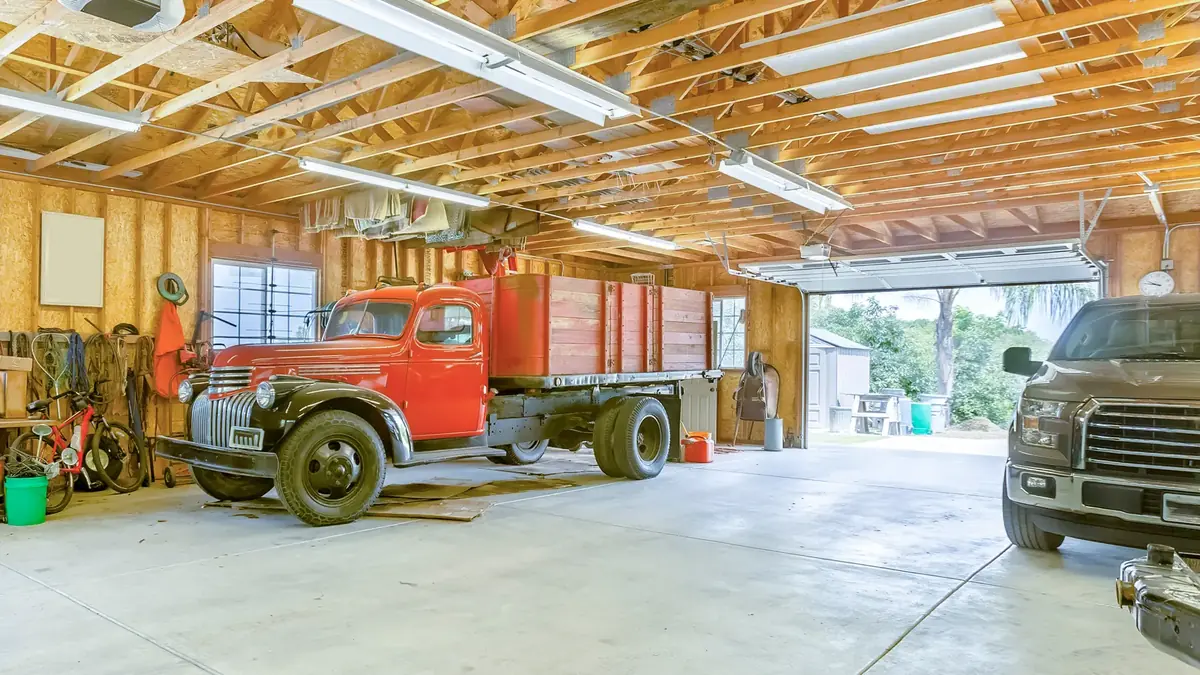
A look at the possibilities

08 Service areas
Across Phoenix and the Valley of the Sun.
Based in Phoenix and working throughout Maricopa County, from Ahwatukee to Anthem and Goodyear to Fountain Hills.
All service areas- Phoenix
- Scottsdale
- Paradise Valley
- Tempe
- Mesa
- Chandler
- Gilbert
- Glendale
- Peoria
- Cave Creek
- Fountain Hills
- Goodyear
- Avondale
- Surprise
- Anthem
- Queen Creek
09 Questions
Answers before you ask.
Still deciding? Call (602) 555-0148 or request an estimate and we’ll talk it through.
Which floor coating is right for my space?
It depends on how the space is used, how much sun reaches the floor, the condition of the slab and the look you want. Many floors combine systems — for example an epoxy base with a polyaspartic topcoat. We recommend a system after seeing the floor, and explain why.
Do you only coat garages?
No. Garages are a large part of our residential work, but we also coat interior living spaces, casitas, patios, showrooms, retail, offices, warehouses and industrial facilities across the Valley.
Why is surface preparation so important?
Coatings bond to concrete mechanically. Diamond grinding removes weak surface material, sealers and contamination and creates a profile for the coating to grip. It is the most important step in how a coating performs over time.
How much does a floor coating cost?
Pricing depends on square footage, slab condition, repairs, the system and finish selected. We provide a written estimate after an on-site assessment so the price reflects your actual floor.
How long does installation take?
Many residential floors are completed in one to three days. Larger, commercial or phased projects are scheduled around your operations. Cure times depend on the system and temperature, and we give you them in writing.
Start your project